What is metallic epoxy flooring?
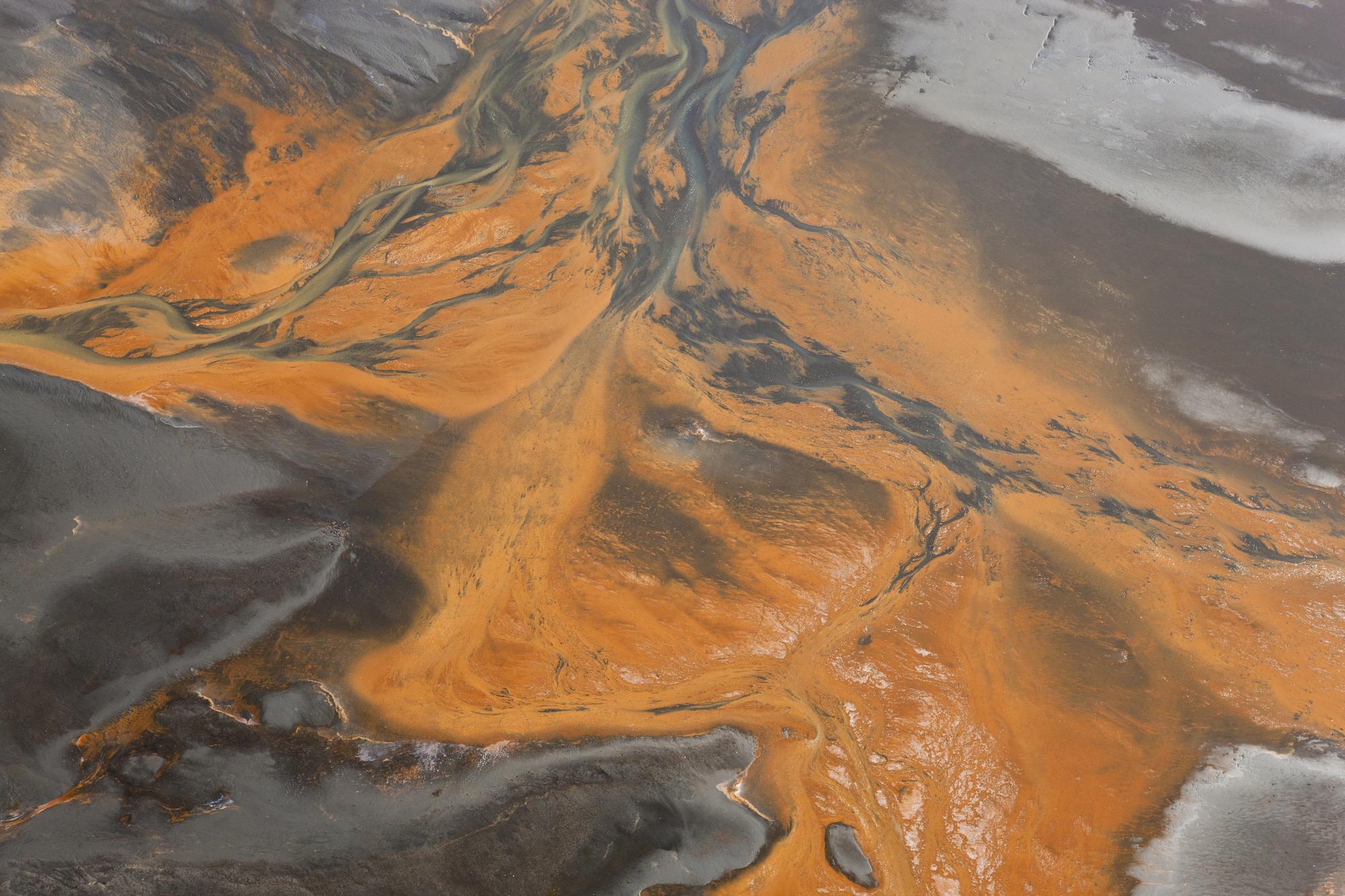
Metallic epoxy is a decorative coating system that uses fine metallic and pearlescent pigments suspended in a clear, self-leveling epoxy. As the material is poured and worked across the floor, the pigments move, swirl and settle at different depths. Light reflects off the particles at varying angles, giving the finished floor a three-dimensional look that's often compared to polished marble, flowing water, lava, clouds or even satellite images of river deltas.
Unlike a flake or solid-color floor, a metallic floor is shaped by the installer's hands. We use rollers, brushes, sprayers and specialized tools to guide the pigment, create veining or encourage softer, cloudy movement. Two floors made with the same colors will never look exactly alike, which is exactly why homeowners and businesses choose them.
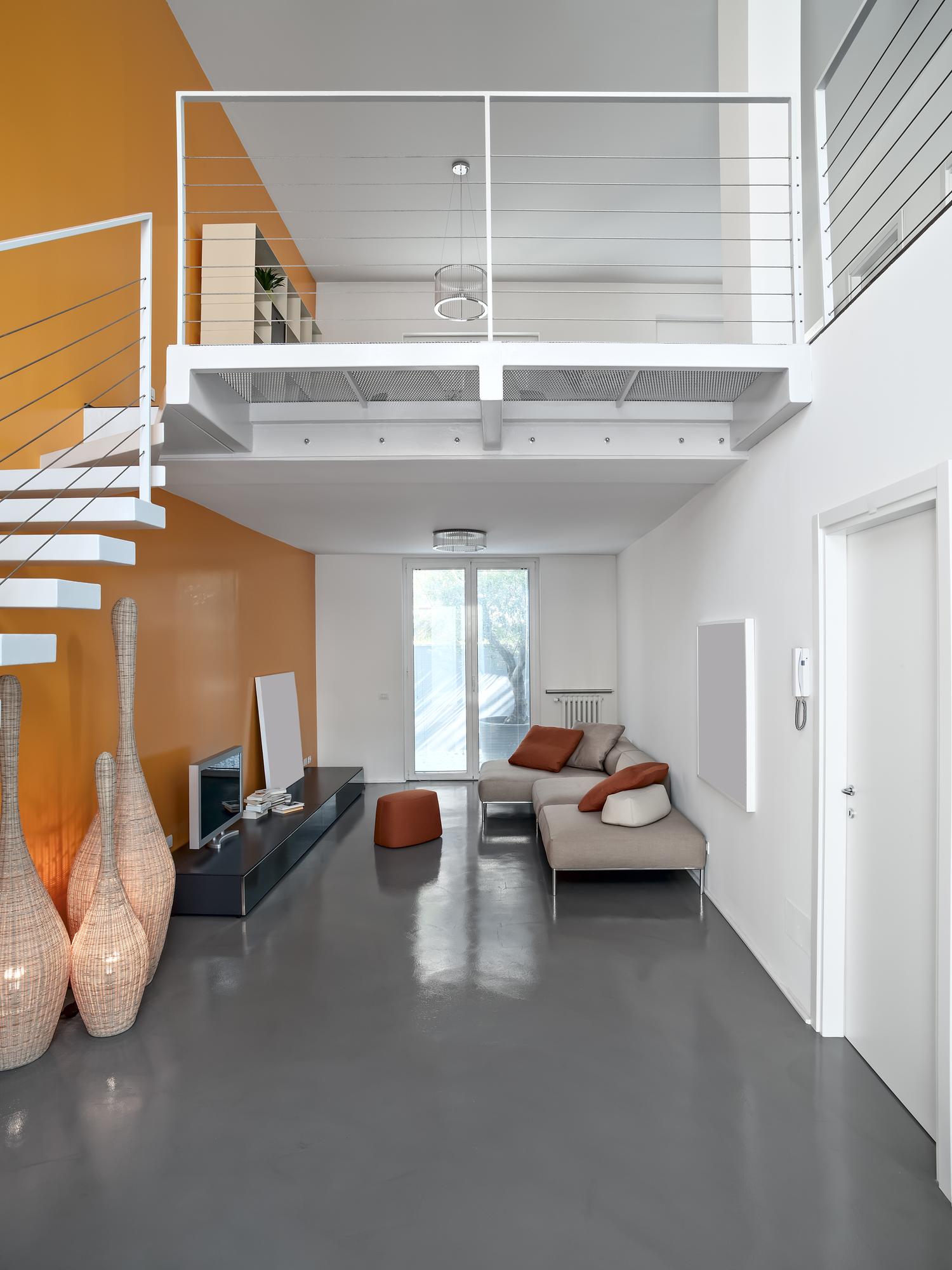
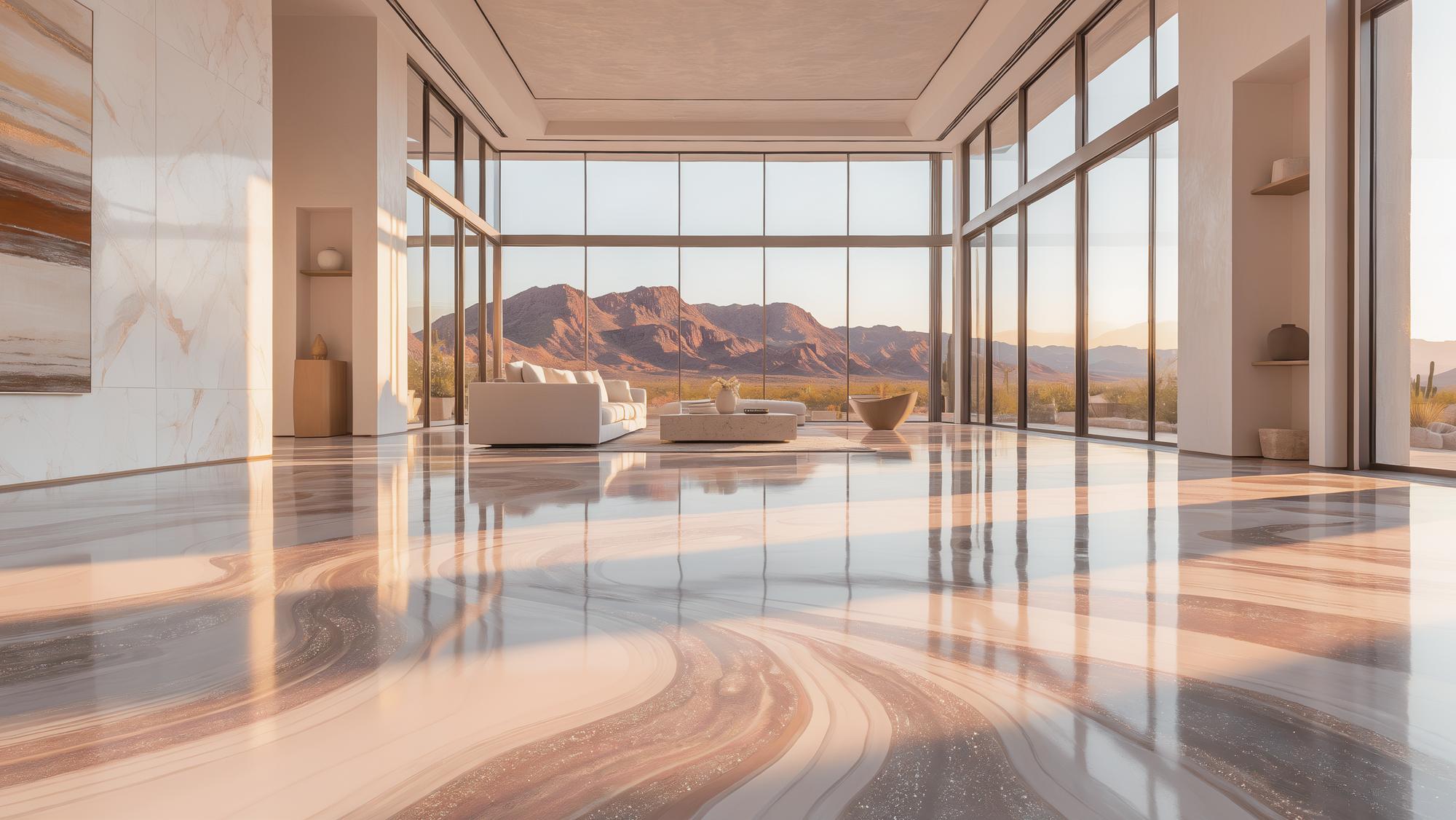
In Phoenix, metallic floors have become a favorite for modern desert homes with expansive windows, luxury garages, showrooms, salons, offices, restaurants and creative studios — anywhere the floor is meant to be noticed.
Benefits of a metallic floor
- Truly unique design. Every floor is custom, with patterns and depth that can't be replicated by tile or vinyl.
- Seamless surface. No grout lines, seams or joints to collect dirt — just a continuous, easy-clean finish.
- High light reflectivity. The glossy, pearlescent surface bounces light around the room, making spaces feel brighter and larger.
- Durable and hard-wearing. A 100% solids epoxy body coat and a protective clear topcoat create a tough, long-lasting floor.
- Cost-effective luxury. Achieve a high-end, marble-like look at a fraction of the cost of natural stone.
- Works with your slab. Because it's applied directly to concrete, there's no need for underlayment or a new subfloor.
Designing your metallic floor
Metallic design starts with a conversation about how you want the space to feel. Some clients want something calm and understated; others want a showpiece. We'll help you explore color, movement and finish.
Color palettes
Metallic pigments are available in a wide range of tones. Popular choices in Phoenix include pearl white and silver for bright, airy rooms; charcoal and pewter for dramatic contrast; soft blue and seafoam for a calm, coastal feel; and copper, bronze and champagne for warmth that complements desert landscapes. Many floors combine two or three pigments to create depth.
Movement styles
We can create bold, high-contrast veining reminiscent of Carrara or Calacatta marble; soft, cloudy movement with gentle transitions; directional "river" flow that leads the eye through a room; or lunar and cratered textures for a more industrial look. During your estimate we'll show you sample boards and photos so you can choose a direction.
Sheen
Most metallic floors are finished in high gloss to maximize depth. A satin topcoat is also possible and can help hide footprints and light scratches in busy homes.
Embrace the variation. Because metallic floors are hand-crafted, the exact pattern can't be predicted down to the inch. That's part of the beauty — your floor will be one of a kind. We'll guide the overall style, color balance and movement to match the look you've chosen.
How we install metallic epoxy
Metallic floors demand meticulous preparation, because a smooth, self-leveling coat will reveal anything beneath it. Our installation process typically includes:
- Surface preparation. Diamond grinding to remove contaminants, adhesives and old coatings, and to create a strong mechanical profile.
- Repairs and smoothing. Cracks, pits and saw cuts are filled and ground flush. We pay close attention here, since imperfections can show through a metallic coat.
- Primer and base coat. A primer seals the concrete and prevents outgassing bubbles. A tinted base coat sets the background color that the metallic layer will play against.
- Metallic body coat. The metallic epoxy is mixed, poured and worked by hand to create the chosen movement. This step requires skill, timing and a careful eye.
- Clear topcoat. A UV-stable clear topcoat protects the design, adds abrasion and chemical resistance and sets the final sheen.
Metallic installations usually take two to four days, depending on the size of the space, the amount of prep and the number of coats.
| Best suited for | Living spaces, showrooms, offices, salons, studios, luxury garages |
|---|---|
| Typical install time | 2–4 days |
| Body coat | 100% solids self-leveling epoxy with metallic pigments |
| Topcoat | UV-stable polyaspartic or urethane, gloss or satin |
| Slip resistance | Fine anti-slip additive available in the topcoat |
| Light foot traffic | Usually 24 hours after the final coat |
Metallic floors and Arizona sunlight
Epoxy on its own is not UV-stable. In a sun-drenched Phoenix room, an unprotected epoxy floor can begin to amber over time, shifting cool tones toward yellow. We prevent that by finishing every metallic floor with a UV-stable topcoat designed for intense sunlight. For rooms with floor-to-ceiling glass, we also discuss pigment choices that stay true under strong light and window treatments that further protect the finish.
Heat matters too. Metallic epoxy is self-leveling and sensitive to temperature during application. In summer we control the environment as much as possible, monitor slab temperature and plan the pour timing carefully so the material flows and cures as intended.
Metallic in garages and commercial spaces
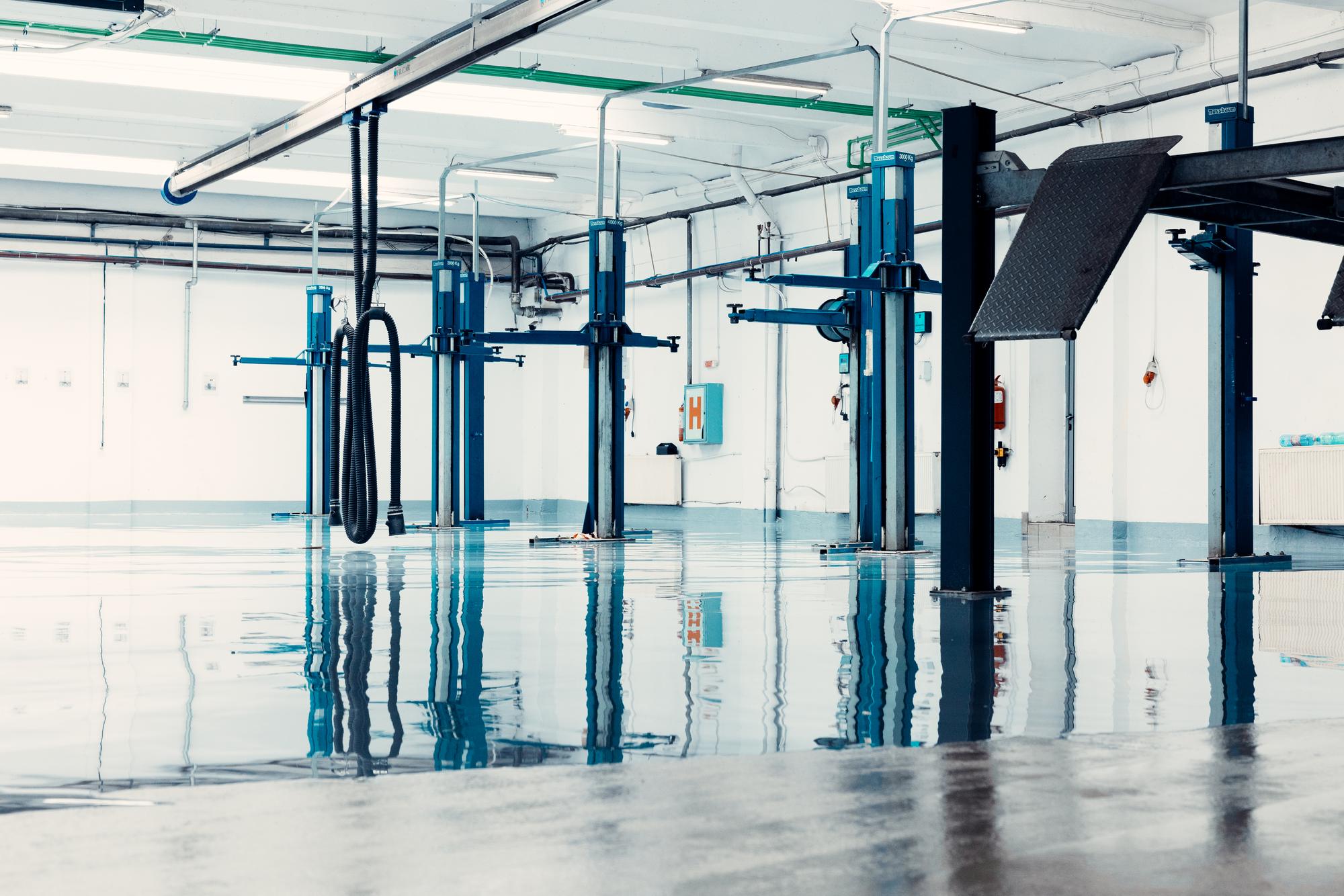
Metallic floors aren't just for living rooms. Car collectors love metallic garages that look like private showrooms, and businesses use them to make a memorable first impression. In garages, we recommend a robust topcoat and occasionally a fine anti-slip additive. In retail and hospitality settings, we can incorporate brand colors and plan the pour around fixtures and traffic patterns.
Keep in mind that metallic floors are smoother and more reflective than flake systems, so they show dust and scratches more readily. For heavy-use work areas, a flake or solid system may be more practical — we'll always give you an honest recommendation.
What affects the cost of a metallic floor
Metallic floors involve more material and labor than standard coatings. Pricing depends on square footage, slab condition and repairs, removal of existing flooring, the number of colors and the complexity of the design, the topcoat chosen and site access. Rooms with many corners, closets or built-ins take more time than open spaces. After visiting your property, we'll provide a detailed written quote and explain exactly what's included.
Caring for metallic epoxy
Use a soft dust mop daily or every few days to remove grit, which can dull a high-gloss surface. Damp-mop with a pH-neutral cleaner and a microfiber pad, avoiding harsh chemicals, vinegar and abrasive pads. Put felt pads on furniture legs, and use mats at exterior doors to catch sand. With this simple routine, your metallic floor will keep its depth and shine for years.
Pairing metallic floors with your interior
Because a metallic floor has so much visual character, it works best when the rest of the room supports it. In homes with white walls and warm wood, pearl and champagne metallics feel elegant and bright. Grays and pewters suit modern furniture, black hardware and concrete accents. Soft blue and seafoam pair beautifully with natural stone, linen textures and the desert palette outside your windows. For businesses, metallic floors can echo brand colors without feeling flat or corporate. We'll look at your finishes, lighting and furniture during the estimate and recommend combinations that make the whole space feel cohesive.
Why choose Phoenix Epoxy Flooring Pros for metallic
A metallic floor is only as good as the person pouring it. We combine careful preparation with an artistic eye, honest advice about where metallic works best and a commitment to clean, professional workmanship. From your first color conversation to the final walkthrough, we'll make sure your floor looks exactly as stunning as you imagined.
Metallic Epoxy Flooring FAQ
Is metallic epoxy slippery?
A high-gloss metallic floor can be slippery when wet, like any polished surface. We can add a fine anti-slip additive to the topcoat that improves traction while keeping the floor's depth and shine.
Can metallic epoxy go over existing tile?
We generally recommend removing tile and adhesive so the metallic system bonds directly to concrete. Tile grout lines can telegraph through a self-leveling coating.
How long does a metallic floor last?
With proper preparation, a quality topcoat and routine care, a residential metallic floor can last many years. The topcoat can be refreshed later to restore gloss in high-traffic areas.
Can I choose exactly where the veins go?
We can guide the overall direction, color balance and density of veining, but the precise pattern forms naturally as the material levels. That organic variation is what makes each floor unique.
Is metallic epoxy a good choice for a garage?
Yes, for clients who want a showroom look. We use a durable topcoat and recommend mats and pads for jack stands. For a hard-working shop garage, a flake system is usually more forgiving.
How should I prepare for a metallic floor install?
Clear the room completely, including furniture, rugs and wall hangings near the floor. Plan to stay out of the space for several days while the coats cure, and keep pets away. We will handle masking, protection and cleanup.
Will a metallic floor yellow in the sun?
Not when finished correctly. We seal every metallic floor with a UV-stable topcoat specifically to protect it from Arizona sunlight.