
Epoxy isn't just for garages anymore
Coated concrete has moved well beyond the garage. Across Phoenix, homeowners are choosing epoxy and polymer floors for living rooms, kitchens, casitas, guest suites, home offices, laundry rooms, mudrooms and basements. The appeal is easy to understand: a seamless surface with no grout lines to scrub, no carpet to trap dust and allergens and no planks to scratch or warp. Add a design that ranges from soft, matte solids to dramatic metallic marbling, and you have a floor that suits everything from modern desert architecture to updated mid-century ranch homes.
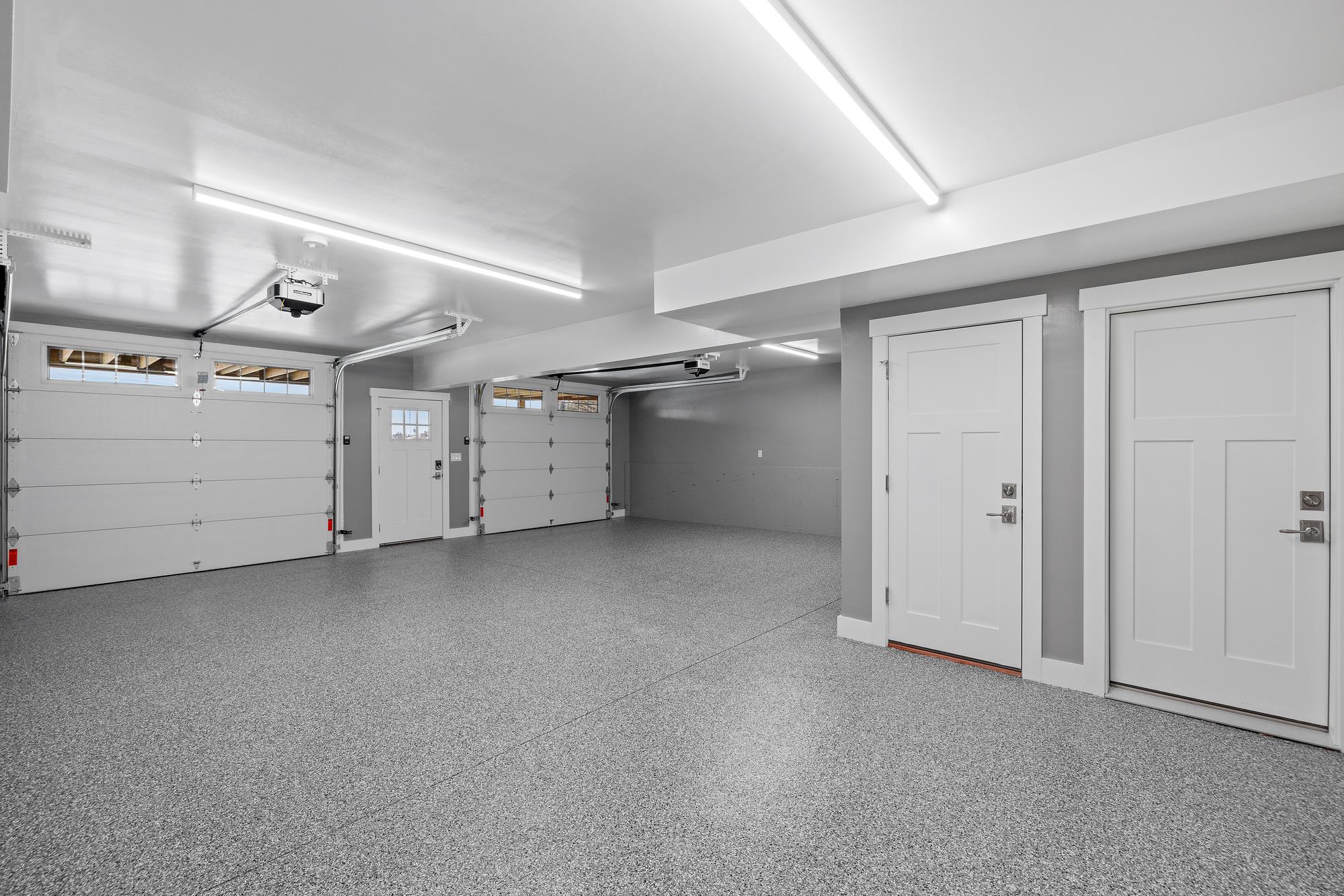
Many Valley homes are built on concrete slabs, which makes them ideal candidates for a residential coating. Instead of adding another layer of material on top of the slab, we transform the concrete you already have into a finished, durable floor.
Benefits of residential epoxy flooring
- Easy cleaning. Desert dust, pet hair and spills sit on top of the sealed surface and wipe away with a dust mop or damp microfiber pad.
- Allergy-friendly. There are no fibers or seams to hold dust, pollen or dander, which many families with allergies appreciate.
- Pet-ready. Coated floors resist scratches better than many wood and vinyl products and don't absorb accidents.
- Cool underfoot. Concrete-based floors stay naturally cool, which is a real comfort during a Phoenix summer.
- Design flexibility. Choose a solid color, subtle flake, bold metallic or a combination, in gloss or satin.
- Long service life. A properly installed residential system can last for many years with simple care.
Where residential coatings work best
Living rooms and great rooms
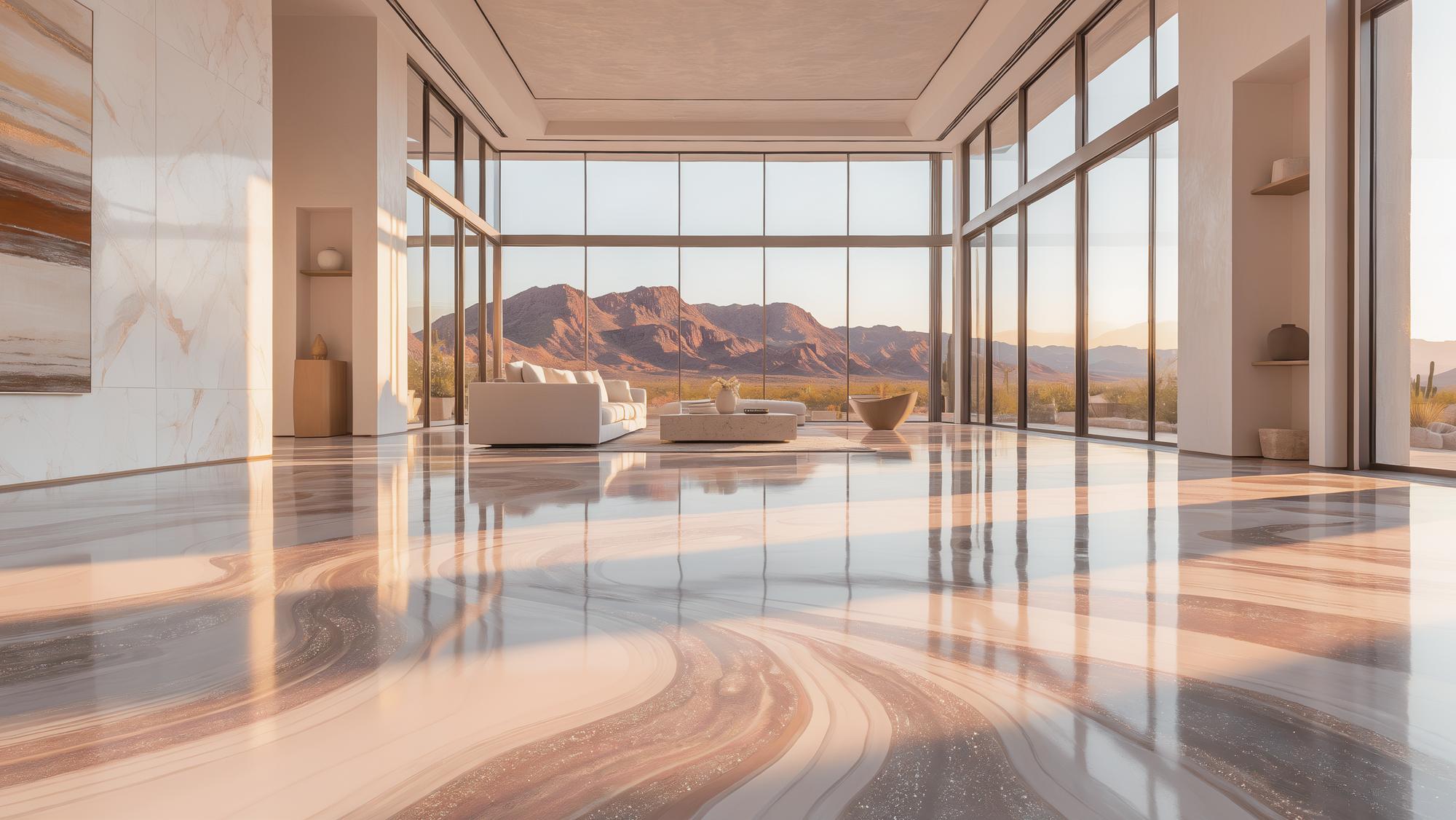
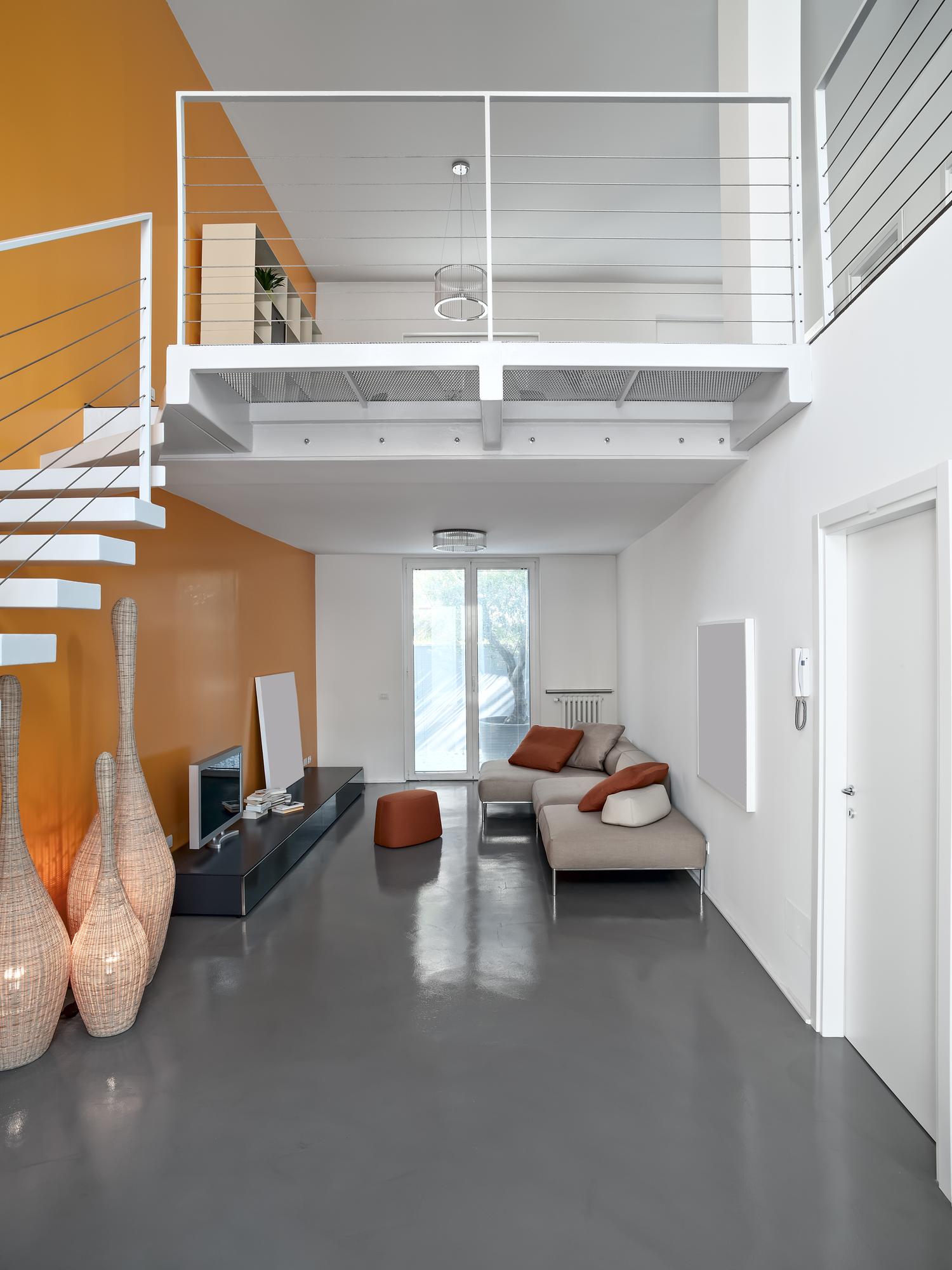
Metallic and solid-color systems create a contemporary, gallery-like feel. Paired with area rugs and warm furniture, the floor becomes a backdrop that lets your decor shine.
Casitas and guest suites
Detached casitas and converted garages are very common in Phoenix. Coating the slab is a cost-effective way to finish these spaces with a durable, attractive floor that's easy to turn over between guests.
Laundry rooms, mudrooms and utility spaces
Spaces with water, detergent and heavy foot traffic benefit from a seamless, non-porous surface. We can run the coating up a few inches onto the wall as a cove base to contain spills.
Home gyms and studios
Coated floors stand up to dropped weights better than wood or tile, and they're easy to sanitize. We can tune the texture for grip during workouts.
Basements
Though less common in Phoenix, basements and below-grade rooms are well suited to coatings. We test carefully for moisture and use vapor-tolerant primers where needed.
How we install interior floors
Indoor projects call for extra care. We protect baseboards, cabinetry, doorways and furnishings, use dust-controlled grinding equipment and keep the work area as tidy as possible. The typical process looks like this:
- Assessment. We check the slab's moisture, hardness and flatness and identify existing adhesive, tile residue or old sealers that must be removed.
- Removal and grinding. Old flooring adhesives are ground off and the slab is profiled for a strong mechanical bond.
- Repairs and leveling. Cracks, saw cuts and low spots are filled and smoothed so the finished surface is even.
- Primer and body coats. We apply a primer suited to the slab followed by the color system you selected.
- Topcoat. A clear, UV-stable topcoat protects the color and sets the final sheen, whether high gloss or a softer satin.
Choosing a sheen: high gloss reflects more light and makes rooms feel larger, while satin hides footprints and minor scratches better in busy family spaces. We'll show you both before you decide.
Finish options for your home
| Solid color | Clean, minimalist look in soft grays, warm whites, charcoal or custom tones |
|---|---|
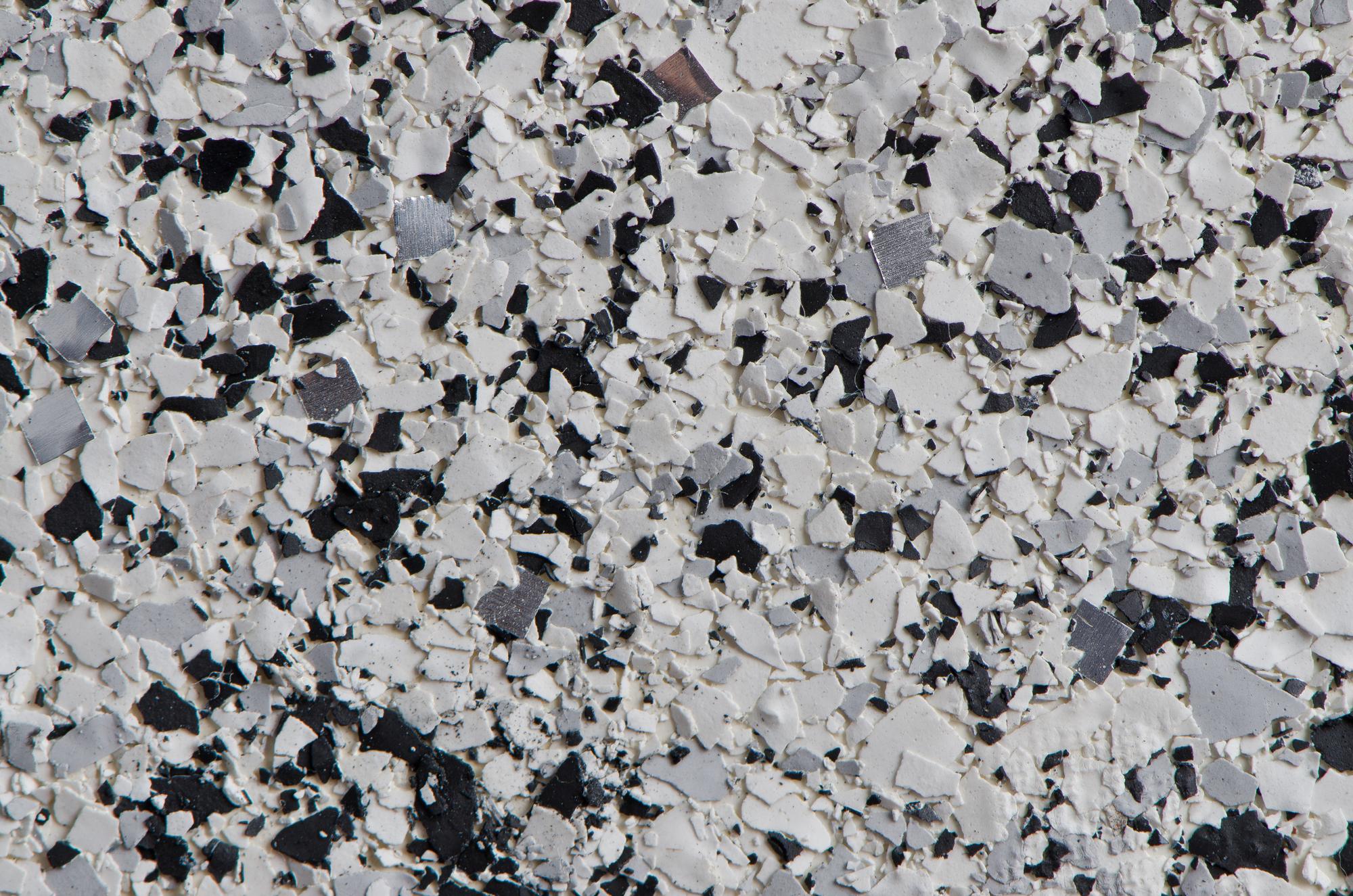
| Decorative flake | Granite-like texture that hides dust and adds subtle grip |
| Metallic epoxy | Flowing, marble-like patterns with depth and movement |
| Sheen | High gloss or satin topcoat |
| Cove base | Optional coating run up the wall for seamless cleaning |
| Typical timeline | 2–4 days depending on size, prep and finish |
Residential flooring in the Phoenix climate
Indoors, the biggest climate factor is sunlight. Large windows and sliding doors let intense UV pour onto the floor, which can yellow standard epoxies over time. That's why every residential system we install is finished with a UV-stable topcoat. We also consider how the room is used — whether it opens directly to a patio and sees sandy feet, or whether it's a quiet bedroom — and choose texture and sheen accordingly.
Moisture is the other consideration. Slabs that sit on grade can transmit vapor, especially after monsoon rains or near irrigated landscaping. Testing up front lets us choose a primer that prevents blistering down the road.
Cost considerations
Interior projects are priced based on square footage, the amount of preparation required, the removal of old flooring or adhesive, the complexity of the space (closets, door jambs, islands) and the finish you choose. Metallic systems involve more labor and artistry than solid colors. We'll give you a detailed written quote after visiting your home so you can compare options clearly.
Living with your new floor
Use felt pads under furniture legs, place mats at exterior doors to catch sand, dust-mop regularly and damp-mop with a pH-neutral cleaner. Avoid dragging heavy appliances across the floor. With those simple habits, your residential epoxy floor will stay beautiful for years.
Epoxy compared with other flooring choices
Most homeowners considering epoxy are also weighing tile, luxury vinyl plank, hardwood or polished concrete. Each has its place, and we're happy to talk through the trade-offs honestly.
Versus tile
Tile is durable, but grout lines collect dirt and need sealing, and individual tiles can crack when the slab moves. A coated floor is seamless, so there's nothing to regrout and far fewer places for dust to hide.
Versus luxury vinyl plank
Vinyl plank is affordable and comfortable but can scratch, dent and gap at the seams. In rooms with strong sun exposure, some products fade or expand. Epoxy bonds directly to the slab, so there are no seams to open up.
Versus hardwood
Wood is warm and beautiful but sensitive to water, pets and Arizona's dry air, which can cause shrinking and gapping. A coated floor shrugs off spills and pet accidents.
Versus polished concrete
Polished concrete is a great option for some slabs, but it shows the slab's existing flaws and stains. A coating lets you choose your color and pattern and hides repairs completely.
Planning your project
For interior rooms, we'll talk through furniture moving, access to the space and how to keep the rest of your household running during the install. Many families plan their project around a weekend away or a vacation, returning to a finished, fully cured floor. If you're remodeling, we'll coordinate with your other trades so the floor goes in at the right stage — usually after drywall and paint but before baseboards and final fixtures.
We'll also give you a realistic timeline in writing, including when you can walk on the floor, when furniture can come back and when rugs can be placed. Rugs should wait a little longer than furniture so the topcoat can fully cure underneath.
Design ideas for residential floors
Looking for inspiration? A soft warm-gray satin floor creates a calm, Scandinavian feel that pairs beautifully with wood furniture and white walls. A pearl or silver metallic adds quiet luxury to a great room with tall windows. Charcoal solids give a loft-like, industrial edge to a home office or studio. In a casita, a subtle flake in sand and stone tones ties the interior to the desert landscape outside. And in laundry rooms and mudrooms, a mid-tone flake with an integral cove base makes cleanup almost effortless. We'll bring samples of each and help you visualize the result in your actual space.
Why homeowners trust us
We treat your home with respect: clear communication, clean worksites, careful protection of finished surfaces and a crew that shows up when promised. Our goal is a floor you love, installed with as little disruption to your household as possible.
Residential Epoxy Flooring FAQ
Is epoxy flooring cold or hard to stand on?
Coated concrete feels firm and stays cool, which many Phoenix homeowners appreciate in summer. Area rugs and anti-fatigue mats add comfort where you stand for long periods, such as in a kitchen.
Can you coat over existing tile?
In most cases we recommend removing tile and adhesive and coating the slab directly for the best bond and a seamless finish. We'll assess your specific floor during the estimate.
How long until we can use the room?
Light foot traffic is usually possible within 24 hours, and furniture can typically return after two to three days depending on the system and temperature.
Will it yellow near my sliding doors?
Not with our systems. Every residential floor is finished with a UV-stable topcoat designed to resist yellowing in strong Arizona sunlight.
Does an epoxy floor add value to my home?
A well-finished, modern floor can be a selling point, especially in casitas and open-plan living areas. Buyers appreciate a durable, low-maintenance surface with no carpet to replace.
Can you coat stairs or steps?
Yes. We can coat interior and exterior concrete steps, with nosing details and anti-slip texture added where needed for safety.